
All Posts By

seo support

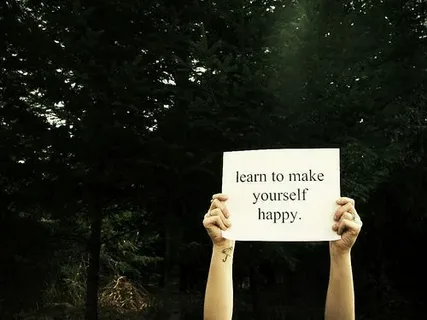
How to Stop Making Other People Happy and Start Making Yourself Happy

By | Blog | No Comments

We were all taught, in some way or another, to be nice, helpful, and open to new ideas. People said nice things about us for putting others first, not “rocking the boat,” and being “easy to get along with.” It’s important to be empathetic and work together in relationships, but many of us went too far and became people-pleasers. It may seem like the right thing to do at first to please others. You’re being nice, staying out of trouble, and making everyone happy. But over time, it starts to take away your sense of who you are. You start saying “yes” when you really mean “no.” When you want to say something, you don’t. You don’t pay attention to your own needs, values, and dreams so that you don’t let other people down. Then one day you wake up and realize you don’t know who you are anymore. You’re not the only one who has heard this before. And the good news is that you can change. If we talk about the book I’ll Have What She’s Having! tells You can learn how to stop trying to make other people happy and start making yourself happy instead, and you don’t have to be selfish or mean. Here’s how.

Step 1: Know Why You Want to Please Others

Being a people pleaser isn’t a personality trait; it’s a way to deal with stress. Most people who are chronic people-pleasers learned how to do this as kids. You might have grown up in a home where love was conditional and you had to earn it by being obedient or helpful. You might have been afraid of being turned down or criticized, so you became the peacemaker to keep things calm. The first step toward change is to understand why you try to please others. Think about this:

  • What am I afraid will happen if I stop making other people happy?
  • How did I come to believe that my needs come second?
  • Who taught me that fighting is bad or dangerous?

Knowledge gives you power. When you see your patterns, you make room to choose something else.

Step 2: Get back in touch with what you want and need.

One of the bad things about trying to please others is that you lose touch with what you want, need, and what you can handle. You care so much about what other people need from you that you forget to ask yourself what you want. What do I need? It’s time to start asking. You could try writing in a journal or meditating on questions like:

  • What things do I do that make me feel alive and full of energy?
  • What makes me feel small, tired, or angry?
  • What would I do with my time if I didn’t care what other people thought?

Don’t be surprised if these questions make you feel uneasy at first. People-pleasers are often so focused on others that it feels selfish or even scary to focus on themselves. But keep going. To build a life that feels good, not just looks good, you need to reconnect with your true self.

Step 3: Learn to Say No (Without Feeling Bad)

One of the hardest things for people who used to please others is learning how to say no without making excuses, saying sorry, or feeling bad about it. But here’s the truth:

  • Saying no doesn’t make you mean, rude, or selfish. It just means you’re respecting your own limits.
  • Start with a small amount. If you don’t have time for a small request, say no. Say no to an invitation to something you don’t want to do. Let someone else take care of a duty you’ve always done out of duty.
  • You might feel bad at first. That’s normal. Guilt is just a sign that you’re doing something different than usual. That doesn’t mean you’re doing anything wrong. Keep on going.

Step 4: Don’t Be Afraid of What Others Will Think

The fear of being turned down or judged is a big part of people-pleasing. You might be afraid that if you tell the truth, set limits, or put yourself first, other people will be upset or even leave. And you know what? Some people might. But the people who really care about you and want you to be happy and healthy will respect your limits. And those who don’t? You are not responsible for their discomfort. Think about this: Would I rather be loved for who I really am or accepted for a version of me that isn’t real? You can’t control how other people respond to your honesty. But you have the power to choose whether or not to betray yourself to get their approval.

Step 5: Put Yourself First Without Feeling Bad

You need to put some of that energy you spend on other people back into yourself. What if you put as much value on your own happiness, rest, and dreams as you do on other people’s? This doesn’t mean putting yourself first. It means knowing that your needs are important too. Make time for yourself every day, even if it’s just ten minutes. Use that time to do something that makes you feel good, like reading a book, going for a walk, dancing in your kitchen, writing in a journal, or just sitting still. The more you put yourself first, the easier it gets. And when the guilt starts to set in (and it will), remember that you are not responsible for the happiness of others. I am in charge of my own health.

Step 6: Be around people who accept you for who you are.

Your relationships may change as you stop trying to make everyone happy. Some people might not get the “new you.” That’s fine. You don’t have to make other people comfortable at your own expense. Look for people who respect your space, want you to grow, and love you for who you are, not what you can do for them. Not performance, but respect and honesty are what make relationships healthy.

Step 7: Keep Coming Back to Yourself

This isn’t something you do once; it’s something you do every day. You will make a mistake. You will say yes when you really mean no. You will go too far. You will feel bad. That’s how it works.

The most important thing is to notice when you’ve lost yourself and come back. Over and over again.

  • You have the right to choose.
  • You can say no.
  • You can take up space.
  • You can be real, messy, and not perfect.
  • And you don’t have to explain to anyone why you do what’s best for you.

Last Thoughts

It’s not selfish to please yourself; it’s honoring yourself. It’s about being honest with yourself, knowing your worth, and making a life that is based on who you are, not who other people want you to be.

  • You don’t have to be nice, helpful, or invisible to get your place in the world.
  • You are already enough.

So take a big breath. Stop trying to make everyone happy. And come back to who you are.

Love Yourself

The Most Important Thing You Can Do Is Love Yourself

By | Blog | No Comments

It’s easy to forget that success isn’t always measured by applause, recognition, or a nicely framed certificate in a world where people are obsessed with things like degrees, job titles, social media followers, and bank balances. These goals are important, but they won’t last long. The certificate collects dust, the applause stops, and the title can be changed. No one can take away your self-love, which is a kind of success.  If we talk about the book I’ll Have What She’s Having guides, loving yourself isn’t just a good idea but also . secret to a happy life, a kind of inner wealth that lasts longer than any success you have on the outside. It’s the calm confidence that comes from knowing who you are, the grace to accept your flaws, and the courage to do what you want without always needing the world’s approval. Let’s talk about why loving yourself might be the best and most lasting success you can ever have.

1. Being successful on the outside but not loving yourself feels empty.

A lot of people believe that being successful will make them feel better about themselves. They work hard to get a raise, save up for their dream home, or get the “perfect” body. When they get there, they think happiness will pour in like champagne at a party.

But the truth is that happiness doesn’t last long without loving yourself. You might enjoy winning, but your old worries come back:

  • “What if I can’t do this?”
  • “Do people still care about me?”
  • “What if I don’t do well next time?”

Success on the outside can make your life look better, but it can’t keep your soul down. You won’t feel “enough” no matter how successful you are if you don’t have a strong sense of self-worth. Self-love makes sure you are whole before you get medals, titles, or praise.

2. Loving yourself changes how you see failure

If you love yourself, failing isn’t the end of the world; it’s just a step toward success. You don’t let problems get you down; you see them as a chance to learn and grow. You wouldn’t yell at someone when they make a mistake if you really loved them. You would help them learn, give them your support, and remind them that one failure doesn’t define their worth. You would help them learn, support them, and remind them that one failure does not define their worth. Being kind to yourself is a way to love yourself. Every time you make a mistake, it feels like proof that you can’t do it without it. Failure is no longer a judge; it is a teacher. That change in how you think is a bigger success than never failing.

3. It helps you get out of the approval trap.

Let’s be honest: a lot of us worry too much about what other people think. We pick out our clothes, words, and even our online profiles very carefully so that family, friends, or even strangers on the internet will like them.

You don’t need other people to tell you you’re good enough when you really love yourself. You live for orders, which means making choices that are right for you and not just what other people want. This doesn’t mean you should be rude or not care about how other people feel. It means that what other people think doesn’t change how you see yourself. That means that how you feel about yourself doesn’t change because of what other people think of you. That freedom is very valuable.

4. Taking care of yourself is good for your mental health.

Life will always have problems. Being human means dealing with stress, loss, conflict, and change. If you don’t love yourself, these times can make you feel lost and bad about yourself.

But if you have a strong sense of self-respect and compassion, you have an emotional life jacket. You’re stronger, more likely to say no, and less likely to put up with bad situations. You no longer think of rest as laziness; instead, you think of it as care. You stop looking for relationships that make you tired. You don’t have to say you’re sorry for standing up for yourself. So, loving yourself isn’t just nice; it’s a skill that can help you stay alive.

5. It makes your relationships better.

It’s a paradox: the more you love yourself, the more love you can give to others.

when you know about yourself , you dont need support of others  just because you are used to stand alone.  you dont need to need to change yourself, give too much, or lose who you are just to please someone. You show up as a complete person, choosing to love not out of need, but because you have so much love to give.” People can tell the difference. Your relationships become more real, balanced, and happy because they are based on respect for each other instead of silent desperation.

6. You Are Responsible for Your Own Success

Let’s be honest: life is full of surprises. You could work hard for years and still not get a job. You could still get sick even if you do everything right for your health. You could put all your love into a relationship and still have it end. You can’t always control what happens around you. But loving yourself? You can grow that no matter what. It doesn’t depend on luck, timing, or other people. And because it’s inside, it can get stronger even when things are hard. Some of the best times to love yourself are when everything else in your life seems to be falling apart.

7. It Calms a Noisy World

We live in a time when we are always making comparisons. Because of social media, it’s easy to believe that everyone else is doing better, looking better, and living better than you.

Self-love is the quiet protest against all the noise. Being able to say “I am enough” even when others are telling you to be more, do more, and have more is a strong sign of self-love. You can be happy for other people’s wins without feeling like you’re losing. It helps you stay on track, go at your own pace, and decide what success means to you.

How to Love Yourself Without Sounding Like a Pointless

Taking bubble baths and eating chocolate are great ways to love yourself, but they aren’t the only ones. You should always be there for yourself, even when it’s hard. Here are some real, helpful ways to get started:

  1. Stop and ask yourself, “Would I say this to someone I care about?” if you catch yourself thinking something mean about yourself. If not, be kind about it.
  2. Don’t feel bad about setting limits. When you say “no” to things that wear you out, you are saying “yes” to your health. Not just your results, but also your efforts. 
  3. start to gather yourself with people who make you feel good about yourself. How you see yourself is influenced  by the people you hang out with.
  4. Forgive yourself for the mistakes you made when you didn’t know better and even for the ones you knew better but still did.

Conclusion

You can’t just love yourself one day with a banner and confetti; it’s a lifelong relationship with yourself. It takes time, patience, and commitment, just like any other relationship.

When you reach it, you unlock a kind of success that lasts longer than any award, promotion, or social status. You become your own safe place, your cheerleader, and your source of strength. People today think that how much noise they make is what makes them successful. Loving yourself is the quiet victory that keeps you whole. That is the most important thing to work toward.

Turning Love Into Legacy

The Power of Remembering: How Love Becomes Legacy

By | Blog | No Comments

The world felt quiet after he was gone. Julia sat in their room where everything stayed the same, but nothing felt right. The silence was heavy, and the air carried the scent of something unfinished. She didn’t cry loudly, and she didn’t scream, but inside, something had broken. She was not a victim, and she didn’t want pity. She stood in the ruins of a life they had built together, trying to breathe through the weight of memory. This story is not just about sorrow, it is about what pain taught her. Grief came like a storm, but it left behind seeds of something deeper. Julia learned that love doesn’t end when a heart stop beating. It changes shape, and it begins to live inside the choices we make. Julia didn’t fade after the loss. She changed, and she chose to carry love forward. Explore About the Book The gucci gang story by Julia Thomas and how Julia transforms her grief into a legacy of kindness, strength, and community.

About The Book The gucci gang story by Julia Thomas: The Day Love Was Taken

The call came in the middle of a quiet afternoon. Julia heard the words, but they didn’t feel real. Her fingers turned cold, and her breath became short and shaky. A scream built inside her chest, but it stayed stuck, frozen behind her ribs. Time moved slowly, like it was dragging her through something she couldn’t escape. She dropped her phone and stared at the wall, unable to cry, unable to speak. His favorite shirt was still on the chair, neatly folded like he’d wear it again. A message she had typed to him stayed on her screen, never sent.   The room felt full of him, yet painfully empty. She lost more than a person that day—she lost their quiet mornings, their private jokes, their shared glances across the room. She lost the safety of his arms and the laughter that only he could bring. Julia didn’t just lose the one she loved. She lost the part of herself that only lived when he was near.

Lost in the Dark—And Choosing to Keep Walking About The Book The gucci gang story by Julia thomas

The early weeks after his death felt endless. Julia lay awake most nights, staring at the ceiling while the silence pressed down on her chest. She tried to smile when people asked if she was okay, but the truth sat quietly behind her eyes. Friends reached out at first, but they didn’t know what to say, and she didn’t know how to answer. The world moved forward with noise and color, but she stayed frozen in a place that no one else could see. One evening, while sorting through a drawer, she found an old photo of them laughing in the rain. Her hands trembled as she held it, and the tears came, but they weren’t only sad. She cried, but she also smiled. That moment didn’t fix her pain, but it changed something inside her. She began to understand that remembering him didn’t have to break her. It could become the reason she stood back up.

Memory as a Compass: Finding Her Way Again

About The Book The gucci gang story by Julia Thomas, she started writing again, not about her pain, but about him. She filled a notebook with pieces of their story, what he believed in, what made him laugh, and the lessons he left behind. She noticed how his presence still shaped her days. The way she stirred her coffee, the way she listened more closely to people, these were parts of him still alive in her. She began making small rituals out of memory. She made a playlist of the songs they used to dance to, and she cooked his favorite meals on Sundays. On quiet afternoons, she visited their favorite spots and sat in the silence without fear. These were no longer acts of mourning. They were acts of love. What once felt like a chain of sadness slowly became a compass of meaning. She didn’t want to let go of the past. She wanted to carry it with care, letting it guide the person she was still becoming.

The Gucci Gang and the Power of Connection

They called themselves The Gucci Gang, a name he once gave to their little group of friends. It wasn’t about fashion. It meant confidence, loyalty, and the way they stood for each other without needing to say much. After his death, Julia felt the silence grow too loud, so she messaged a few of them. She didn’t ask for anything big, just company, just presence. They started meeting once a month, sitting around a table with food, stories, and old memories. They laughed again, cried again, and carried one another through hard days. What started as a circle of shared grief slowly became a new kind of family. The name became a sign of strength, not sorrow. The Gucci Gang turned memory into movement, and love into action. Through them, Julia realized something powerful—healing doesn’t happen in isolation. It begins when remembrance finds a place to belong.

From Remembering to Living Fully Again

Julia no longer tried to erase her sadness. She learned how to carry it without letting it weigh her down. She visited the places they had once dreamed of, not with tears, but with a full heart. She shared her journey in grief circles, speaking with others who felt lost and needed light. She met someone kind, and over time, she opened her heart again, not to replace what she lost, but to let it grow. The legacy shifted. It was no longer just about his memory, it was about the life they had, and the life she chose to build from it. Julia had changed. She wasn’t the same woman, but she had become someone he would smile at with pride.

Conclusion 

Love does not vanish when someone leaves this world, it stays in the way we treat people, in the choices we make, and in the good we pass on. Julia’s story did not stop with grief. That was where it began, but it slowly grew into something deeper. She took her sadness and turned it into strength. She took her memories and turned them into moments of care. Julia did not need loud actions to prove her love. She showed it in quiet ways, by listening more, by helping others, and by standing strong when it was easier to fall. Her life became a steady tribute, not built on pain alone, but shaped by the love that once held her and still lived inside her.

What You Achieve

You Are Not What You Achieve: Finding Worth Without a Trophy

By | Blog | No Comments

From a young age, people learn to chase approval like a prize they must win to matter. They try to be the best in class, the favorite at work, or the most liked on social media, and they begin to believe that their worth depends on how many people clap for them. Each day slowly turns into a race where the goal is not joy or meaning, but the next compliment, the next award, or the next wave of attention. People dress to be noticed, speak to be liked, and often hide their real feelings just to stay accepted in a world that rewards performance over honesty. The problem is, this kind of race never really ends because every medal leads to the next one, and every compliment fade too fast.Hence, read the About the book I’ll Have What She’s Having! Its really good book to learn about finding real worth.

Even when someone wins, the happiness only lasts for a moment, and the heart starts searching again. Over time, they forget who they are when no one is watching, and they begin to fear rest, thinking it makes them look lazy or weak. But constant performing does not lead to peace, it leads to a deep kind of tiredness that no praise can cure. When a person only feels valuable after someone claps, they give away the power to feel whole on their own. And the truth is, no amount of applause can heal a heart that never felt seen in silence. Real peace begins not with a louder crowd, but when you stop running and stand still long enough to meet your true self, the one who was always worthy even without a trophy.

One compliment fade quickly, and one achievement soon feels old, which leaves people hungry for more. The heart begins to depend on claps and attention just to feel okay, but that need grows heavier with time. This endless race slowly wears people down because it never really ends, and at some point, they forget why they even started running. When someone chases approval for too long, they hand over the power to decide their worth to strangers. And that is a painful place to live. But your worth is not a prize that others can give or take. It does not belong in someone else’s hands—it has always lived quietly inside you.

Winning feels good, and for a moment, it can lift your heart and make you feel seen. But sometimes, winning also hides the truth. Trophies, titles, and rewards can tell others what you achieved, but they do not reveal who you truly are inside. They cannot carry your kindness, your patience, your honesty, or your quiet strength. Many people proudly show their medals or degrees, yet carry heavy emptiness behind their smiles. Their shelves may shine with success, but their hearts feel unseen and tired. In public, they appear confident, but in private, they question their worth. They hide behind their success because they fear what life would feel like without it. But being ordinary is not something to fear, it is a natural and honest part of being human.

You are not failing just because you paused to rest. You are not falling behind simply because     you stepped away from the race. Trophies can come and go, and so can applause, but your value does not leave with them. Real worth grows in quiet places, in how you speak kindly to someone who can give you nothing, or how you carry yourself when no one is watching. When you start to believe that your whole identity depends on a win, you also begin to fear what happens if you lose. And that fear slowly steals your freedom and joy. You are more than a winning moment. You are a full story, rich with beauty and strength, still unfolding each day.\   

What Happens After You Win?

Many people chase big goals with the belief that once they win, they will finally feel full and happy. They imagine that one shining moment, a trophy, a promotion, or loud applause—will fix the quiet ache that has lived inside for years. But when the speech ends and the cameras stop flashing, silence returns, and it often comes with a question the heart cannot ignore: “What now?” This question can feel confusing, especially after working so hard to reach a goal that once felt like everything. Some people feel lost right after success because the excitement fades faster than they expected. They spent years climbing the mountain, but no one ever taught them how to rest or enjoy the view. Worse, they begin to fear falling from that high place, so they chase new wins just to stay afloat. This cycle repeats itself, but joy keeps slipping further away. True joy does not live on a stage or inside a medal case—it lives in quiet peace and lasting purpose. When people tie their joy only to a win, they slowly forget how to feel whole. They burn themselves out trying to hold onto a perfect image. But winning without peace is just another kind of loss. Life must mean more than a single moment of praise—it must offer a deeper meaning that stays with you, even when the world is no longer watching.

Finding Worth from the Inside

Your true value begins deep inside, far away from trophies, titles, or applause. It lives in the place where no number or opinion can reach. You were born with worth, long before you spoke your first word or achieved anything. You do not need to earn your value—it has always been there, waiting to be remembered. When you stop chasing applause, your own voice grows louder again. It asks gentle questions like:

How to Break Free from Needing Applause

You can leave the chase for applause behind, and it starts with simple, honest choices. Begin by noticing the moments when you act just to look good in someone else’s eyes. Ask yourself if your actions come from your heart or your fear of being unseen. Try doing something kind without telling anyone—not to hide, but to stay true. Speak with people who love you as you are, without masks or medals. Spend more time doing things that bring quiet joy instead of loud approval. Give yourself the gift of rest without feeling guilty for not “earning” it. Write down the small victory’s others don’t notice—like staying calm in anger or being brave in silence. With time, you will start to like who you are, even without a stage. You will stop chasing the noise and start listening to your heart. And in that quiet space, you will meet the truest version of yourself—a self who is already worthy, just by being alive.

Conclusion: You Are Enough, Even Without a Medal

You are not what you achieve, and your soul does not need a medal to shine. Success may look bright on paper, but peace feels better deep in your heart. You are enough today—not just when you win, but even when you rest or cry or begin again. Your worth is not in your job, your title, or your trophy. It lives in who you are, not what you do. Let the noise fade, and let the truth speak louder. You are becoming something more than a winner—you are becoming whole. Live with love, not for praise. Joy will follow you home.