
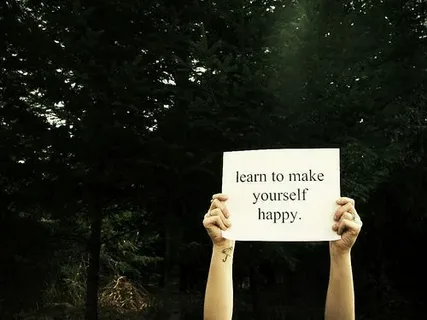
We were all taught, in some way or another, to be nice, helpful, and open to new ideas. People said nice things about us for putting others first, not “rocking the boat,” and being “easy to get along with.” It’s important to be empathetic and work together in relationships, but many of us went too far and became people-pleasers. It may seem like the right thing to do at first to please others. You’re being nice, staying out of trouble, and making everyone happy. But over time, it starts to take away your sense of who you are. You start saying “yes” when you really mean “no.” When you want to say something, you don’t. You don’t pay attention to your own needs, values, and dreams so that you don’t let other people down. Then one day you wake up and realize you don’t know who you are anymore. You’re not the only one who has heard this before. And the good news is that you can change. If we talk about the book I’ll Have What She’s Having! tells You can learn how to stop trying to make other people happy and start making yourself happy instead, and you don’t have to be selfish or mean. Here’s how.
Step 1: Know Why You Want to Please Others
Being a people pleaser isn’t a personality trait; it’s a way to deal with stress. Most people who are chronic people-pleasers learned how to do this as kids. You might have grown up in a home where love was conditional and you had to earn it by being obedient or helpful. You might have been afraid of being turned down or criticized, so you became the peacemaker to keep things calm. The first step toward change is to understand why you try to please others. Think about this:
- What am I afraid will happen if I stop making other people happy?
- How did I come to believe that my needs come second?
- Who taught me that fighting is bad or dangerous?
Knowledge gives you power. When you see your patterns, you make room to choose something else.
Step 2: Get back in touch with what you want and need.
One of the bad things about trying to please others is that you lose touch with what you want, need, and what you can handle. You care so much about what other people need from you that you forget to ask yourself what you want. What do I need? It’s time to start asking. You could try writing in a journal or meditating on questions like:
- What things do I do that make me feel alive and full of energy?
- What makes me feel small, tired, or angry?
- What would I do with my time if I didn’t care what other people thought?
Don’t be surprised if these questions make you feel uneasy at first. People-pleasers are often so focused on others that it feels selfish or even scary to focus on themselves. But keep going. To build a life that feels good, not just looks good, you need to reconnect with your true self.
Step 3: Learn to Say No (Without Feeling Bad)
One of the hardest things for people who used to please others is learning how to say no without making excuses, saying sorry, or feeling bad about it. But here’s the truth:
- Saying no doesn’t make you mean, rude, or selfish. It just means you’re respecting your own limits.
- Start with a small amount. If you don’t have time for a small request, say no. Say no to an invitation to something you don’t want to do. Let someone else take care of a duty you’ve always done out of duty.
- You might feel bad at first. That’s normal. Guilt is just a sign that you’re doing something different than usual. That doesn’t mean you’re doing anything wrong. Keep on going.
Step 4: Don’t Be Afraid of What Others Will Think
The fear of being turned down or judged is a big part of people-pleasing. You might be afraid that if you tell the truth, set limits, or put yourself first, other people will be upset or even leave. And you know what? Some people might. But the people who really care about you and want you to be happy and healthy will respect your limits. And those who don’t? You are not responsible for their discomfort. Think about this: Would I rather be loved for who I really am or accepted for a version of me that isn’t real? You can’t control how other people respond to your honesty. But you have the power to choose whether or not to betray yourself to get their approval.
Step 5: Put Yourself First Without Feeling Bad
You need to put some of that energy you spend on other people back into yourself. What if you put as much value on your own happiness, rest, and dreams as you do on other people’s? This doesn’t mean putting yourself first. It means knowing that your needs are important too. Make time for yourself every day, even if it’s just ten minutes. Use that time to do something that makes you feel good, like reading a book, going for a walk, dancing in your kitchen, writing in a journal, or just sitting still. The more you put yourself first, the easier it gets. And when the guilt starts to set in (and it will), remember that you are not responsible for the happiness of others. I am in charge of my own health.
Step 6: Be around people who accept you for who you are.
Your relationships may change as you stop trying to make everyone happy. Some people might not get the “new you.” That’s fine. You don’t have to make other people comfortable at your own expense. Look for people who respect your space, want you to grow, and love you for who you are, not what you can do for them. Not performance, but respect and honesty are what make relationships healthy.
Step 7: Keep Coming Back to Yourself
This isn’t something you do once; it’s something you do every day. You will make a mistake. You will say yes when you really mean no. You will go too far. You will feel bad. That’s how it works.
The most important thing is to notice when you’ve lost yourself and come back. Over and over again.
- You have the right to choose.
- You can say no.
- You can take up space.
- You can be real, messy, and not perfect.
- And you don’t have to explain to anyone why you do what’s best for you.
Last Thoughts
It’s not selfish to please yourself; it’s honoring yourself. It’s about being honest with yourself, knowing your worth, and making a life that is based on who you are, not who other people want you to be.
- You don’t have to be nice, helpful, or invisible to get your place in the world.
- You are already enough.
So take a big breath. Stop trying to make everyone happy. And come back to who you are.